Community Nature Records
A citizen-science zero needs the survey effort that produced it
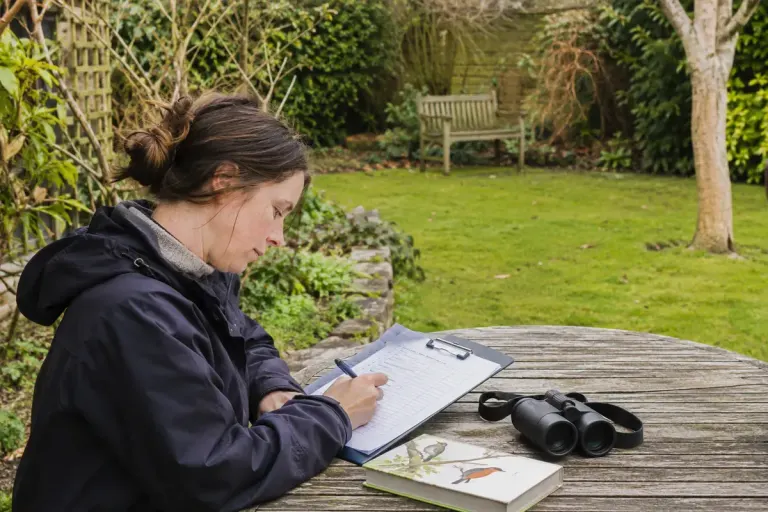
A wildlife survey with no detections still needs time, place and effort. Understand why a complete checklist differs from a blank or casual observation.

Small local actions, thoughtfully planned.
A wildlife survey with no detections still needs time, place and effort. Understand why a complete checklist differs from a blank or casual observation.
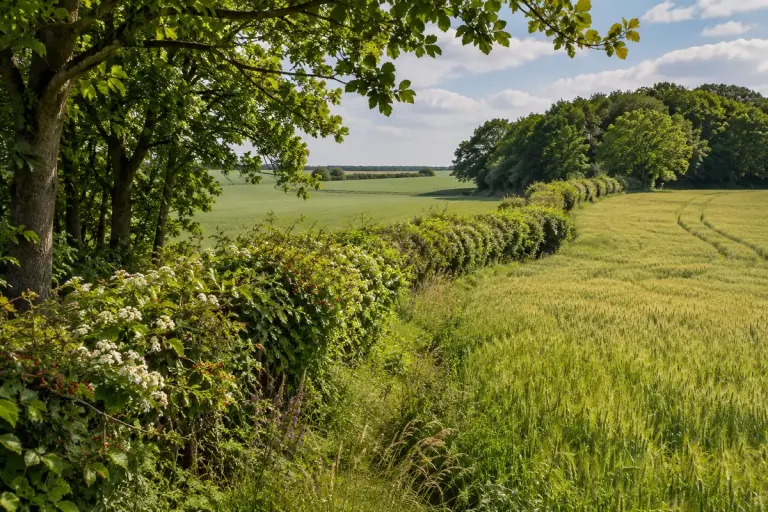
A hedge can connect habitat as well as mark a boundary. Map its surroundings and maintenance needs before planning a community planting project.
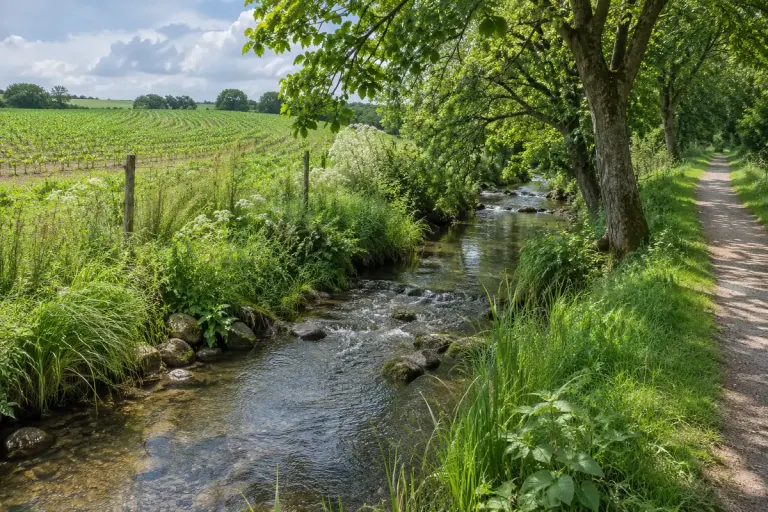
Streamside planting needs a purpose, a site assessment and ongoing care. Learn what a riparian buffer can contribute before organising a planting day.
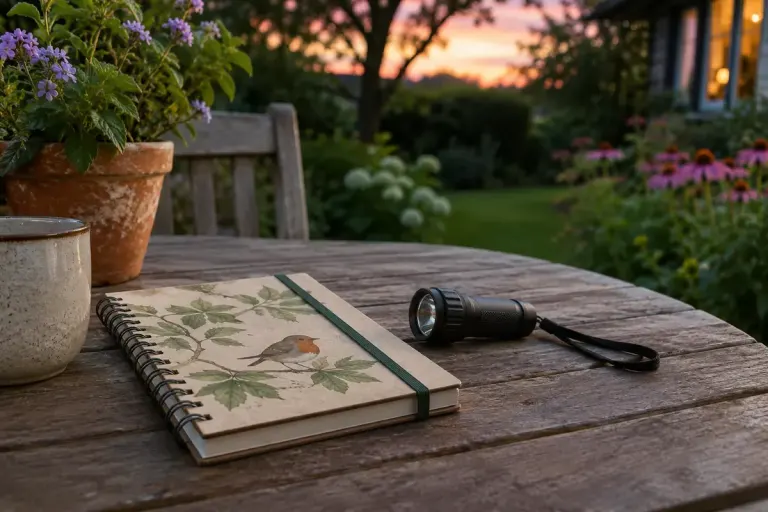
Plan moth recording around animal welfare, appropriate lighting and a clear finish time. A short observation session need not become permanent extra garden light.
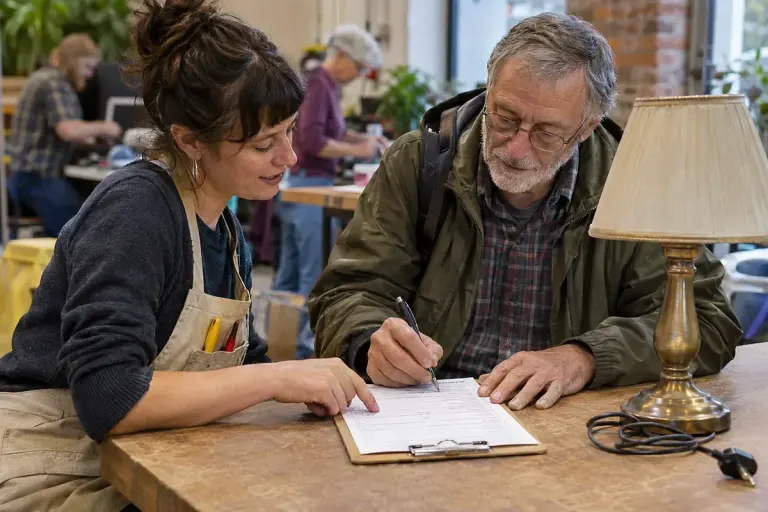
Give community repair volunteers a clear intake process for belongings, accessories, permission and collection so a helpful event does not become accidental storage.
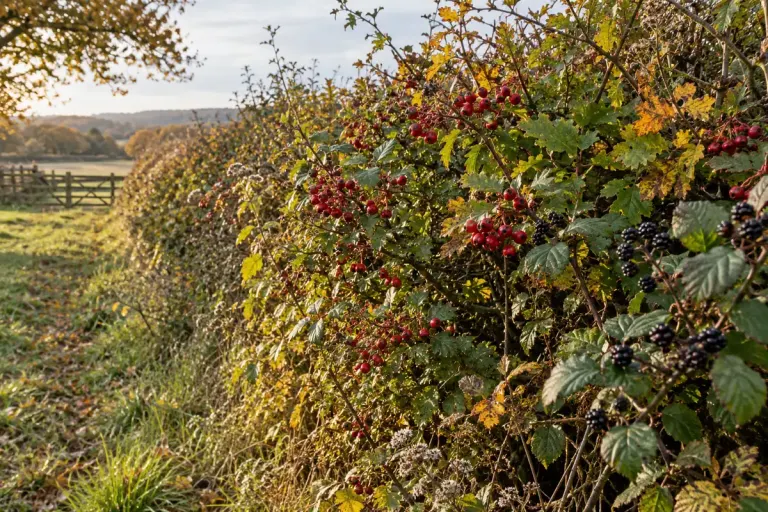
Plan a mixed wildlife hedge around local native species, growing conditions and long-term care rather than choosing shrubs only for a uniform appearance.
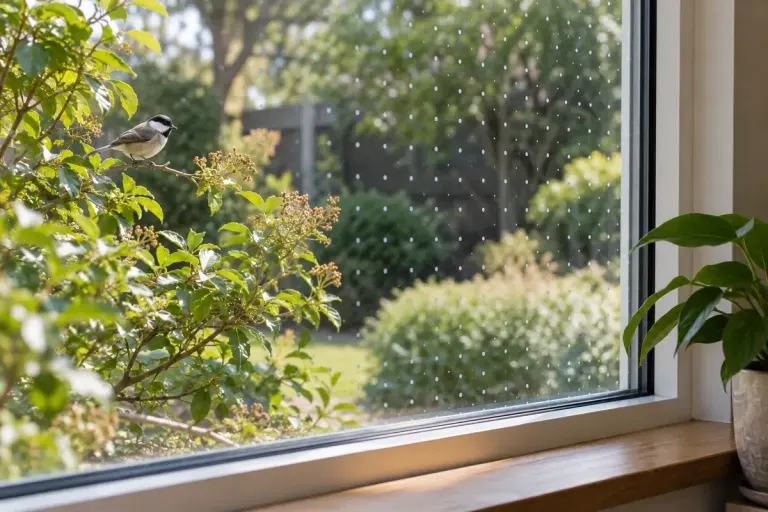
Reflections can make windows look like open habitat to birds. Exterior patterns must cover the glass closely enough to interrupt that illusion.
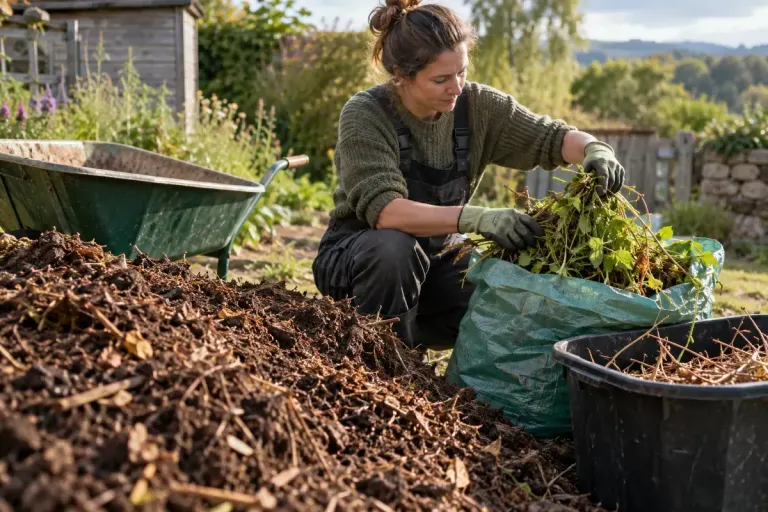
Invasive plant material can spread through cuttings and contaminated soil. Identify the species and approved local disposal route before clearing a shared garden.
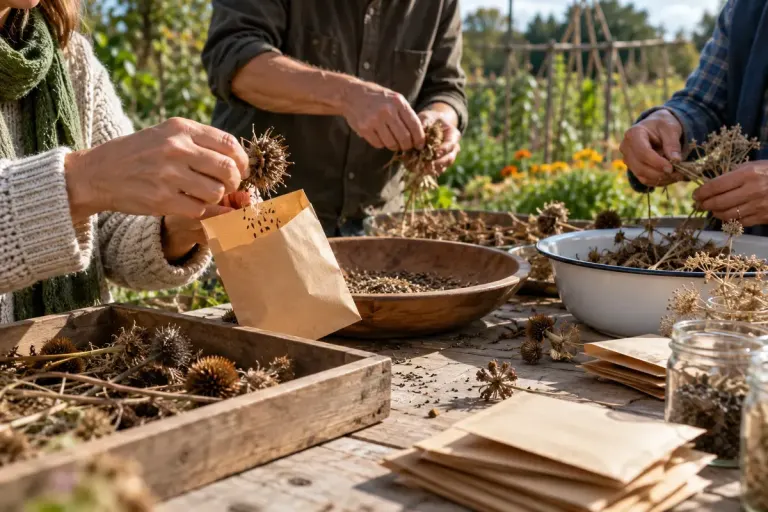
Save garden seed with attention to ripeness, drying and storage, while keeping a simple record of what you actually collected.